
The Role of Luck in Gambling
Luck is often regarded as a significant factor in the experience of gambling, particularly in casinos where games frequently depend on chance. Many players enter a casino with the belief that luck can sway outcomes in their favor, especially when engaging in games like slots or roulette, or even while researching the best betting sites . This perception of luck shapes not only the decisions players make but also their overall experience, as they may feel a rush of excitement when they believe fortune is on their side. The thrill of anticipation may cause players to engage more passionately in their gaming sessions.
The concept of luck is deeply ingrained in gambling culture, with many players attributing their wins and losses to lucky numbers, charms, or rituals. For instance, individuals might select specific seats at a blackjack table or wear “lucky” clothing when trying their hand at various games. This psychological element showcases how belief in luck can create a more engaging and thrilling atmosphere within the casino environment, infusing each spin or deal with an air of anticipation. Players often find that their emotional states can influence their perception of luck, enhancing their overall experience.
Furthermore, the impact of luck can vary depending on the type of game being played. In games of skill, such as poker, the role of luck may seem diminished as knowledgeable players often have the upper hand. Conversely, games that rely purely on chance, like slot machines, amplify the notion of luck, as each spin appears as a random opportunity for success. Understanding this dynamic is essential for players looking to navigate their casino experience more effectively. Recognizing the balance between skill and luck can help players make more informed choices during their gaming adventures.
The Psychology Behind Luck and Risk
The belief in luck is not just a whimsical notion; it is rooted in psychological principles that govern human behavior, especially in high-stakes environments like casinos. Many gamblers experience a phenomenon known as the “gambler’s fallacy,” which leads them to believe that past outcomes affect future results. For example, after a series of losses at the roulette table, a player might think they are “due” for a win, further perpetuating the belief that luck plays an active role in their gambling success. This mindset can lead to a cycle of hope and disappointment, heavily influencing their gameplay decisions.
This perception can prompt players to engage in riskier behavior, betting larger amounts or choosing games with lower odds, all in hopes of capitalizing on their perceived lucky streak. The allure of big wins and the thrill of taking risks can create an exhilarating experience, but it can also lead to detrimental decisions. This psychological tug-of-war between luck and strategy is what often draws individuals to casinos, creating a complex interplay of emotions and decision-making factors. Understanding how these psychological elements operate can empower players to make smarter, more calculated choices.

Moreover, casinos utilize this understanding of psychology to enhance their environments. Elements such as colorful lights, engaging sounds, and the clustering of popular games are designed to stimulate excitement and a sense of chance. This ambiance not only amplifies the belief in luck but also encourages players to continue engaging with the games, perpetuating the cycle of optimism and risk-taking that is synonymous with gambling. By crafting an environment that plays into the psychology of luck, casinos create spaces that are not just about winning or losing, but about the entire experience of chance and hope.
The Influence of Superstitions on Casino Play
Superstitions have long been intertwined with gambling behavior, and they reveal a fascinating aspect of how luck is perceived and manifested in a casino setting. Players often adopt rituals or avoid certain actions based on common superstitions—like avoiding walking past a specific table or using particular items believed to bring good fortune. Such behaviors are often tied to the desire to influence luck, even if these beliefs lack a logical foundation. The emotional investment in these rituals can enhance the overall gambling experience, making each decision feel more significant.
When players incorporate superstitions into their casino experience, it enhances their emotional investment in the games they play. This connection can lead to a more immersive experience, where every outcome feels significant. Whether it is tossing dice in a specific manner or saying a particular phrase before making a bet, these rituals can create a sense of control in an environment dominated by chance. The act of believing in luck can often lead to more enjoyment, as players feel they are participants in a world where they can influence outcomes.
While these superstitions might not have a factual basis, they underscore a critical aspect of gambling: the power of belief. When players think positively about their chances—or adhere to a lucky charm—they may experience heightened confidence and enjoyment, ultimately affecting their approach and persistence in the casino. The relationship between superstition and luck illustrates the emotional fabric of gambling that goes beyond mere chance, providing a deeper understanding of the motivations behind the actions players take within the casino setting.
The Balance of Luck and Strategy in Winning
While luck plays an undeniable role in casino games, the balance between luck and strategy is crucial for players aiming for long-term success. Many games, such as poker and blackjack, involve a significant strategic component, where skillful play can mitigate the randomness associated with luck. Understanding game mechanics, probabilities, and player psychology can provide a competitive edge that luck alone cannot guarantee. Players who invest time in learning the intricacies of these games often find themselves better positioned to make informed decisions.
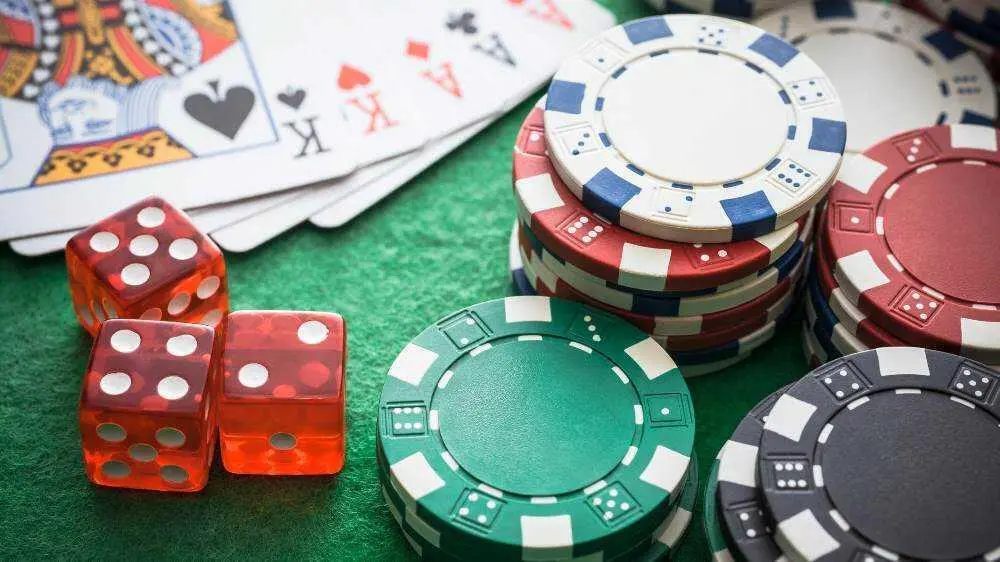
For instance, in poker, skilled players utilize various strategies to outmaneuver opponents and leverage their understanding of probability to increase their chances of winning. They analyze their opponents’ behaviors, manage their bankrolls wisely, and calculate the odds of certain hands, demonstrating that successful play is often a combination of both strategy and an element of luck. This synergy creates a unique experience where luck is just one part of the larger puzzle. By incorporating strategy into their gameplay, players can enhance their chances while still enjoying the thrill of uncertainty.
Moreover, players who adopt a strategic mindset can enhance their overall gambling experience by approaching games with realistic expectations. They understand that while luck can result in significant wins, sustainable play relies on an appreciation for skill and informed decision-making. This empowering approach allows individuals to enjoy their time in the casino while minimizing potential negative impacts associated with the whims of luck. A balanced approach can lead to a more satisfying experience and help players maintain control over their gaming journey.
Your Journey Through the Casino Experience
As you embark on your casino adventure, understanding the intricate interplay between luck, strategy, and psychology can significantly enrich your experience. Every spin of the wheel or flip of a card can evoke a rush of anticipation, and recognizing that both chance and skill contribute to your outcomes allows for a more comprehensive view of gambling. Therefore, whether you believe in rituals or rely on strategic play, embracing the full spectrum of possibilities is key to a fulfilling experience. This approach not only enhances enjoyment but also encourages a sense of empowerment in players.
Additionally, various resources are available to help you navigate the casino landscape, providing insights into game rules, strategies, and tips to enhance your skills. Engaging in discussions with fellow players or seeking knowledge through reputable sources can empower you to approach your gaming sessions with confidence. A well-rounded understanding enhances your enjoyment, allowing you to appreciate the nuances of luck while still making informed choices. This journey is about more than just winning; it’s about experiencing the thrill of chance and the camaraderie of fellow players.
In conclusion, the casino experience is a rich tapestry woven with strands of luck, strategy, psychology, and personal belief. By thoughtfully engaging with these elements, players can create a more enriching and enjoyable gambling experience. Embrace the excitement of chance while also cultivating knowledge and skills to maximize your time in the vibrant world of casinos. Ultimately, recognizing the role of luck, combined with a strategic approach, allows players to fully appreciate the multifaceted nature of the gambling experience.